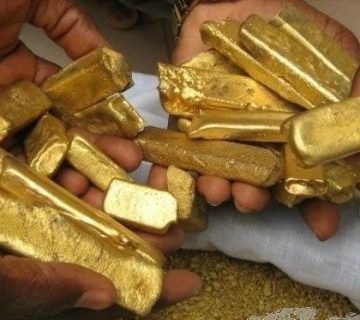

Ghana, long recognized as one of Africa’s premier gold producers, has seen its gold industry flourish in recent years, providing lucrative opportunities for both local and international investors. With a stable investment climate, favorable regulatory environment, and a rich history of gold mining, Ghana’s gold sector presents a promising avenue for wealth generation.
Why Investing in Ghana Gold Industry?
Ghana is currently one of the leading gold producers globally, ranking as Africa’s top producer and consistently within the top ten gold producers worldwide. The country’s gold sector benefits from extensive natural resources, a well-established mining infrastructure, and a government keen on boosting investment in mining. As global demand for gold continues to rise, Ghana’s proven reserves and the high-quality gold produced in the country make it an attractive investment destination for stakeholders looking to enter the mining industry.
Key Benefits for Investors
1. Strong Economic Performance
Ghana’s gold sector significantly contributes to the country’s GDP, with gold accounting for around 30% of total export earnings. This sector’s growth has helped stabilize Ghana’s economy even amid global economic uncertainty, providing a reliable backdrop for investment. Moreover, Ghana’s political stability, coupled with its pro-business government, fosters a favorable environment for long-term investments.
2. Strategic Location
Ghana’s strategic location in West Africa places it close to major international markets. Its proximity to Europe, Asia, and the Americas enhances its position as a key player in the global gold market. The country’s transport and logistics infrastructure, including ports, roads, and air services, also facilitates the easy export of gold to international markets.
3. Well-Regulated Mining Industry
Ghana’s mining sector is governed by a robust regulatory framework that ensures transparency, stability, and security for investors. The Minerals Commission of Ghana oversees the issuance of licenses for exploration and extraction, while the government maintains policies designed to encourage sustainable development in mining. The Ghanaian government also offers incentives such as tax holidays, exemptions on VAT for machinery, and other fiscal policies to attract both foreign and local investors
Regulatory Requirements for Investment
Investors looking to tap into Ghana’s gold market must navigate the country’s mining regulatory landscape. Here are some key requirements:
1. Mining License and Permit
To operate in Ghana’s gold mining sector, investors must secure a mining lease from the Minerals Commission. This lease authorizes the holder to explore, mine, and sell gold within a specified region. Exploration licenses are initially issued for a period of three years and can be extended, while mining leases are granted for up to 30 years, with an option for renewal.
2. Environmental Permits
In line with global sustainability goals, Ghana’s mining laws require that companies obtain environmental permits. These permits ensure that gold mining operations meet environmental standards to mitigate adverse impacts on ecosystems. Environmental Impact Assessments (EIAs) are a key part of the application process, which helps regulate pollution and protect surrounding communities.
3. Local Content Regulations
Ghana encourages foreign investors to partner with local businesses, fostering economic growth and skills transfer. The local content law mandates that foreign companies hire Ghanaian workers and procure goods and services from local suppliers, boosting the economy and creating jobs
Key Partnerships and Opportunities in Ghana’s Gold Sector
Ghana’s gold mining industry is home to several high-profile international companies that have partnered with local firms to capitalize on the country’s rich gold deposits. These partnerships are not only economically beneficial but also contribute to the transfer of technology, expertise, and industry best practices to the local economy.
1. Joint Ventures
Many international companies operating in Ghana’s gold sector, such as AngloGold Ashanti, Newmont, and Gold Fields, engage in joint ventures with local entities to develop gold mines. These partnerships often involve shared ownership and operational responsibilities, helping mitigate risks while expanding operational capacities.
2. Artisanal and Small-Scale Mining (ASM) Investments
Aside from large-scale operations, the artisanal and small-scale mining sector in Ghana represents an area for significant growth. Although the sector is known for its challenges, such as informality and environmental concerns, many organizations are now seeking to formalize and invest in ASM operations. This not only offers opportunities for profit but also promotes sustainable mining practices.
3. Technology and Innovation in Gold Mining
The use of technology in Ghana’s gold mining industry is increasing, with modern techniques such as advanced geophysical surveys and automated processing improving both efficiency and productivity. Investors can consider opportunities in the tech space, providing innovative solutions to enhance mining operations, from exploration to the processing of gold.
Risks and Mitigation Strategies
While Ghana’s gold industry is thriving, potential investors must be aware of the risks involved. These include the challenges posed by illegal mining (Galamsey), fluctuating gold prices, and political instability. However, the Ghanaian government’s increasing efforts to combat illegal mining through regulatory reforms and military interventions are gradually addressing these issues. Additionally, the use of comprehensive risk management strategies and investing in environmentally-friendly mining operations can help mitigate some of the potential drawbacks.
Conclusion
The gold sector in Ghana presents a wealth of opportunities for both local and international investors. With its stable political environment, well-established regulatory framework, and rich gold resources, Ghana continues to be one of Africa’s most promising mining destinations.
Investors can benefit from the country’s robust gold industry through strategic partnerships, adherence to regulatory requirements, and by capitalizing on emerging technologies. By investing in Ghana’s gold market, investors contribute not only to their own success but also to the sustainable development of the country’s mining industry and local communities.
Ghana’s gold market is poised for growth, and those who invest now stand to reap significant rewards while helping to shape the future of the country’s economy.
Frequently Asked Questions (FAQs) related to investing in Ghana’s gold industry:
-
What makes Ghana a good destination for gold investment?
- Ghana is one of the largest gold producers in Africa, with a stable mining industry, favorable government policies, and abundant reserves. The country also has a long history of gold mining, providing a stable and experienced environment for investors.
-
What are the key risks associated with investing in Ghana’s gold industry?
- Key risks include fluctuating gold prices, environmental regulations, political instability, and potential challenges with land acquisition or community relations. It’s essential to conduct thorough due diligence.
-
How can I invest in Ghana’s gold industry?
- There are several ways to invest, including buying shares in gold mining companies listed on the Ghana Stock Exchange, purchasing physical gold, or investing in gold-backed securities and mutual funds.
-
Are there tax incentives for investing in Ghana’s gold industry?
- Yes, Ghana offers several tax incentives, such as tax exemptions on mining equipment, and tax holidays for certain types of mining activities, especially for large-scale mining.
-
How does the government regulate the gold industry?
- The government regulates gold mining through the Minerals Commission and other regulatory bodies, ensuring that mining is conducted in compliance with laws concerning environmental standards, safety, and royalties.
-
Is it safe to invest in small-scale gold mining in Ghana?
- Small-scale mining can offer high returns but carries increased risks, including regulatory challenges, environmental concerns, and lower levels of transparency. It’s crucial to work with trusted local partners.
-
What is the current state of Ghana’s gold reserves?
- Ghana has significant gold reserves, estimated to be among the largest in Africa. The country continues to explore new mining sites, with a focus on both large-scale and small-scale production.
-
How does the price of gold affect the gold mining industry in Ghana?
- The price of gold directly impacts the profitability of gold mining companies. A high price of gold boosts profits, while a low price can reduce margins, affecting the overall investment climate in the industry.
-
Can foreign investors own mining operations in Ghana?
- Yes, foreign investors can own gold mining operations in Ghana, though there are regulations regarding the percentage of local ownership. Generally, foreign investors must have a local partner or meet certain requirements under Ghana’s mining laws.
-
What role does Ghana’s gold industry play in the economy?
- Gold mining is a vital sector in Ghana’s economy, contributing significantly to GDP, foreign exchange earnings, and employment. It is one of the largest industries in the country and plays a key role in its economic development.